Evidence cannot prove control operation
Screenshots and tickets exist, but they do not connect scope, configuration, version, test, approval, exception, and operating result.
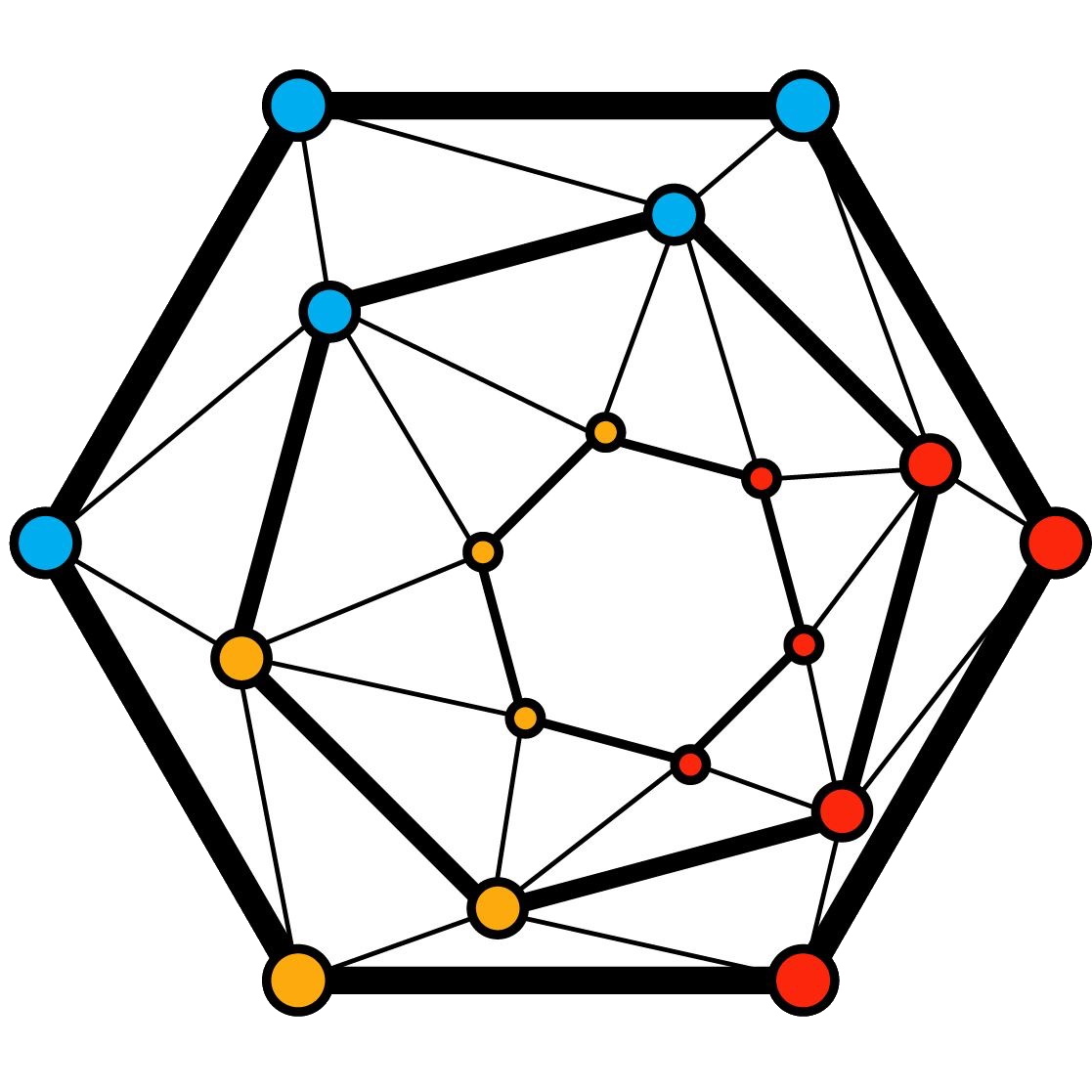 The Algorithm
Taking a system built without compliance architecture and rebuilding it to pass regulatory audit.
You built fast. Compliance was going to be handled 'later.' Later arrived in the form of a failed audit, a regulator's letter, or a breach. The system works operationally but it's not certifiable. You can't get HIPAA compliance without an architecture rebuild, and a rebuild feels like starting over.
A visible compliance gap can indicate a broader system or evidence issue. The assessment traces the finding through related identities, data flows, controls, delivery processes, and operations before defining the remediation boundary.
Retroactive compliance costs three to five times more than proactive compliance, depending on how long the non-compliant architecture has been in production and how deeply it is embedded in downstream systems. An access control gap that would have cost two engineer-weeks to implement correctly during the initial build costs six to fifteen engineer-weeks to retrofit after the system is live, tested, and documented around the incorrect implementation. The math is consistent across industries and frameworks.
A remediated system still needs change control, monitoring, periodic review, and accountable interpretation as requirements and system boundaries evolve. ALICE can automate selected checks in the delivery pipeline, while human review and independent assessment remain part of the operating model.
Compliance is treated as a legal review function rather than an engineering function by most organizations. Legal reviews assess what the policy says. Engineering determines what the system does. These are different activities performed by different people with different tools at different points in the project lifecycle. When compliance is a legal review applied to a finished system, the reviewer can identify what the system does that conflicts with the policy — but cannot change the system to comply. That requires engineering resources that are typically deployed on the next project, not the current one.
The 'build fast, fix compliance later' model is a rational response to the incentive structure of growth-stage organizations: ship fast, acquire users, raise the next round, then address compliance before the Series B diligence or the enterprise sales cycle. The problem is that compliance debt compounds more aggressively than technical debt. Technical debt slows feature development. Compliance debt creates regulatory liability, investor liability, and acquisition risk that can prevent the next round entirely — and the remediation cost is always higher than the build cost would have been.
Engineering teams without compliance depth make the same architectural mistakes repeatedly because the mistakes are not visible as mistakes at the time they are made. An engineer who has never implemented a HIPAA-compliant audit logging system does not know that a standard log call at the application layer is insufficient — it requires structured logging with specific fields, tamper-evident storage, and a retention period that the log management system must enforce. The mistake looks like working code because it functions correctly. The gap is only visible when the auditor asks for evidence and the evidence package reveals what was actually captured.
Ready When You Are
We've inherited this exact scenario. Here's how we approach it.
A failed control, audit finding, or regulator question rarely maps to one missing checkbox. The visible finding may originate in identity design, an undocumented data flow, a deployment bypass, incomplete evidence, or an operating process with no accountable owner. Remediation starts by tracing that causal chain and defining what must change without creating a second uncontrolled system.
01. Confirm the system and authorization boundary, data classes, control owners, inherited controls, exceptions, and evidence sources.
02. Trace each finding to implementation, configuration, runtime signal, approval workflow, and retained evidence; distinguish a missing control from a control that operates but cannot be evidenced.
03. Design coexistence and rollback so current operations continue while identity, logging, encryption, network, or delivery controls are replaced.
04. Validate denial paths, privileged operations, evidence integrity, restore behavior, and change workflows before the finding is proposed for closure.
Often, but only after dependency and boundary tracing shows which controls can be isolated. Identity, tenancy, or data-model defects may require a deeper coexistence plan.
A requirement-to-control map, architecture decisions, configuration and test records, exception ownership, runtime evidence, and a repeatable collection procedure.
Tier I (Surgical Strike) in most cases.
The architectural patterns that eliminate retroactive remediation — built-in controls, audit trail design, and pipeline enforcement from day one.